




Granite
Granite is an intrusive igneous rock that has a coarse-grained structure, formed from the slow cooling of silica-rich magma deep in the earth's crust. Granite consists primarily of quartz (20-60%) and feldspar (alkali and plagioclase), as well as smaller amounts of mica, amphibole, or other minerals. The mineral content offers granite a range of colors (typically white, pink, gray, or red) with dark grains typically visible. Granite is consensually recognized for its hardness (6 to 7 on the Mohs Scale), durability, and density (2.65 - 2.75 g/cm^3). Granite, which often forms in batholiths and mountain cores, is one of the main constituents of continental crust.
Granite is commonly used in construction and architecture as countertops, flooring, paving, monuments, and building veneers owing to its hardness, resistance to weathering, and aesthetic appeal. Granite, which differs in color, is typically classified by the quartz and feldspar content using the QAPF diagram, and includes other varieties, such as syenogranite or monzogranite, based on the alkali feldspar content. Some types of granite, namely two-mica granites, include both muscovite and biotite, either one of which almost always represents a distinct geological origin.
Granite Types
Granite is classified on mineral composition, texture, color and geological origin. The QAPF diagram is the most widely used to differentiate distinct granite types. The common types are as follows:
By Mineral Composition:
-
Alkali Feldspar Granite: Greater than 65% of all feldspar is alkali feldspar, and any plagioclase component is minor. Alkali feldspar granite is commonly pink or reddish.
-
Syenogranite:A mix of plagioclase and alkali feldspar. Recognized in many granites.
-
Monzogranite:Contains approximately equal proportions of alkali feldspar and plagioclase, along with 20–60% quartz.
-
Granodiorite:More plagioclase than alkali feldspar, with less quartz than granite, but with granitic texture.
-
Two-Mica Granites:Composed of both muscovite and biotite as essential mica minerals.Two-mica granite is commonly associated with S-type granites (sedimentary source).
By Genetic Origin (the parent source):
-
I-type (Igneous):Melted from igneous rock parent. Typically metaluminous in nature, often occurring alongside hornblende or biotite.
-
S-type (Sedimentary):Derived from melted sedimentary rock source; peraluminous, typically with muscovite and garnet.
-
M-type (Mantle/Range):Deriving from mantle; rare; probably from oceanic crust.
-
A-type (Anorogenic): Developed in a non-orogenic region; highly alkalic; probably highly reduced and highly geologically unique rocks, perhaps riebeckite.
By Texture:
-
Porphyritic: large feldspar crystals (phenocrysts), in a finer matrix or rock. Equigranular: uniformly granitic. Generally medium to coarse grained.
-
Pegmatitic: not just coarse, very coarse. Very large crystals of quartz or feldspar.
-
Aplitic: very fine-grained, grain in the texture is sugar-like; a happenstance of granite intrusion.
By Color (driven by feldspar component and accessory minerals):
-
White granite:High amount of quartz and plagioclase and lower mafic minerals.
-
Pink/red granite:Abundant with potassium feldspar (orthoclase). Gray granite: Contains equally labradoritic plagioclase, alkali feldspar (feldspars), sometimes biotite or hornblende.
-
Black Granite: More often than not does not contain granite but of a composition more similar to a gabbro or basalt, true black granites contain dark mafic minerals.
From a commercial/decorative standpoint (appearance- these picks seen for typical construction):
-
Bianco Romano: A white granite featuring gray and black speckles, sourced from Brazil.
-
Uba Tuba:A dark green to nearly black granite with gold and gray veining, also quarried in Brazil.
-
Giallo Ornamental: Creamy beige granite with brown and gray banding. Quite popular for solid surface and countertops.
-
Blue Pearl:Granite that has blue-gray mineralization with iridescent components that is quarried in Norway.
-
Absolute Black: An almost pure black stone, typically Indian trap rock, which is compositionally closer to gabbro than true granite.
each of theses types is different due to durability, porosity, and usability for specific needs that could include counter tops , flooring, or monuments. Geologist classification scheme (e.g. tectonic regime) and mineral ratios will define them from granitoids or granite, for example; while commercial terms or names are related to quarry location or visual patterns.
3050mm x 1450mm / 3200mm x 1600mm / 3100mm x 800mm
Standard Dimension
20mm / 30mm
Standard Thickness
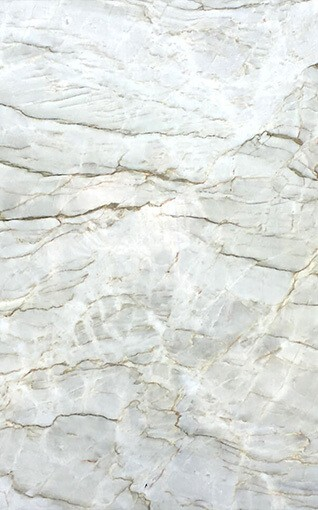
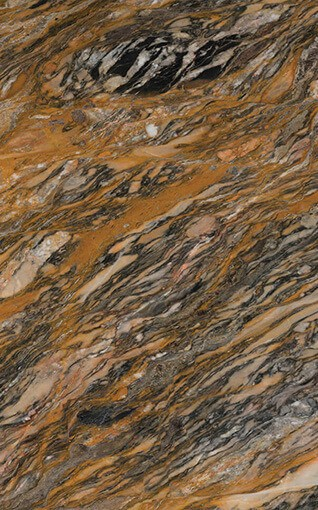
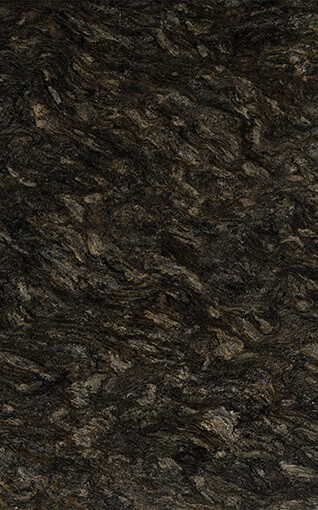
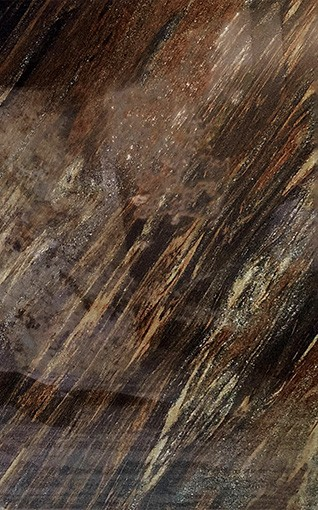
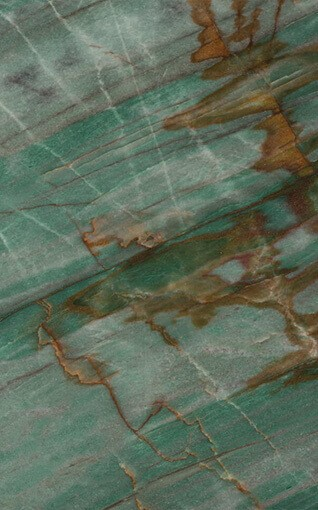
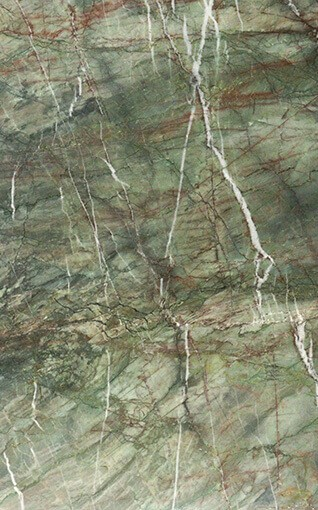
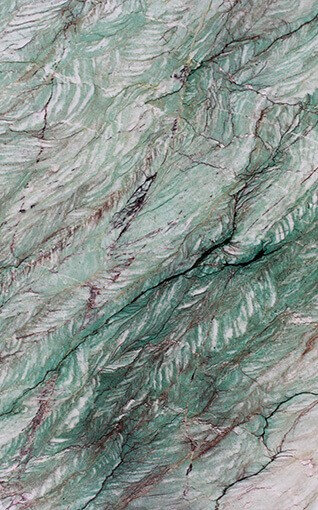
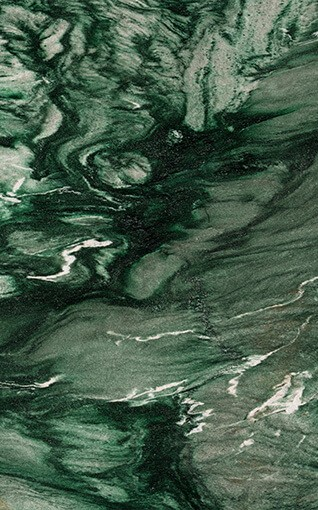
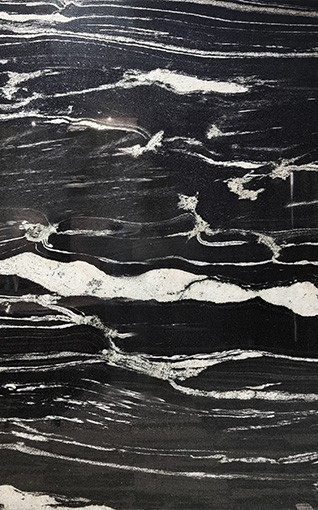
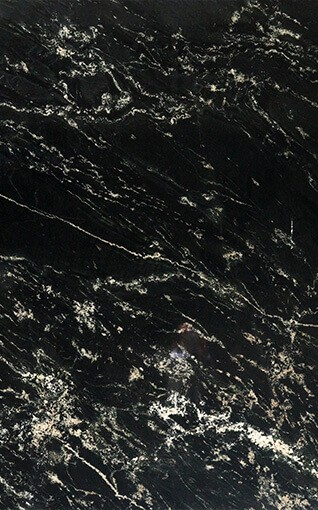
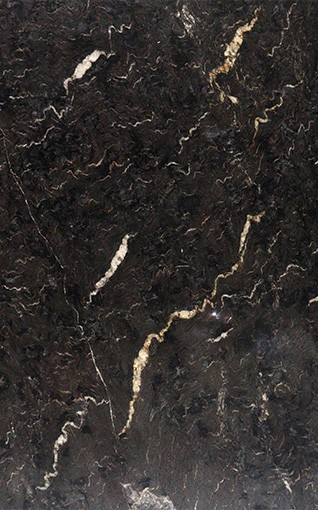
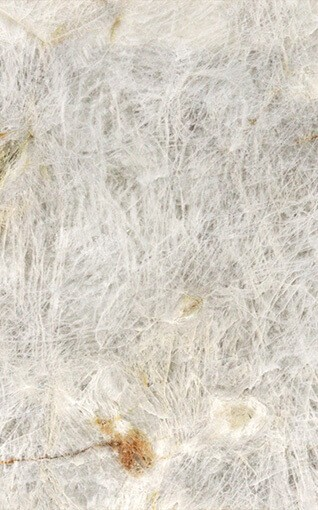
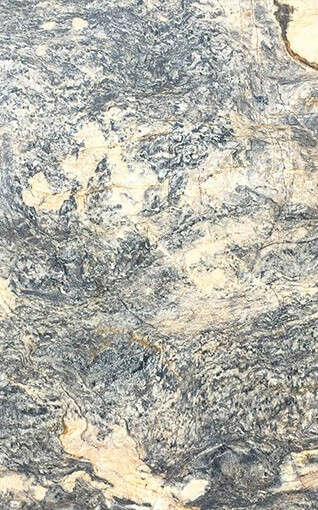
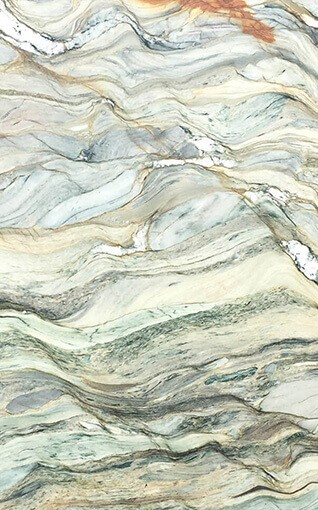
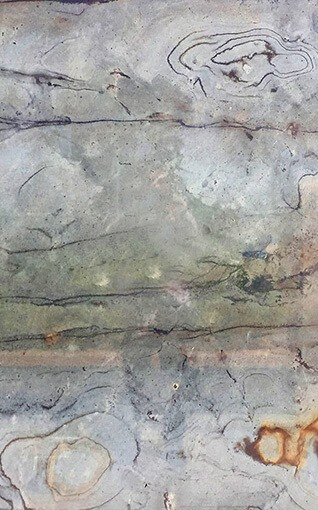
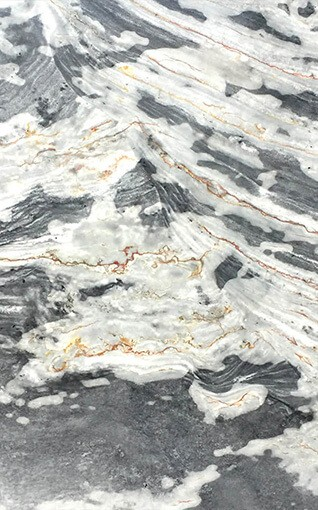
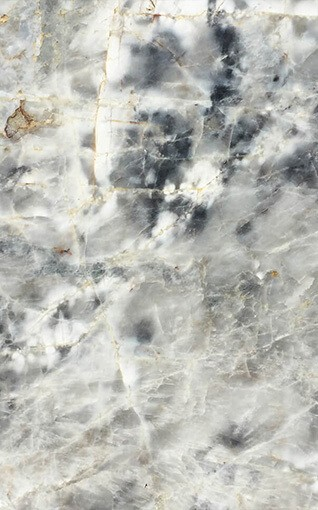
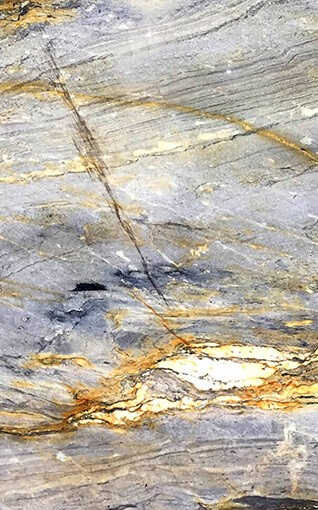
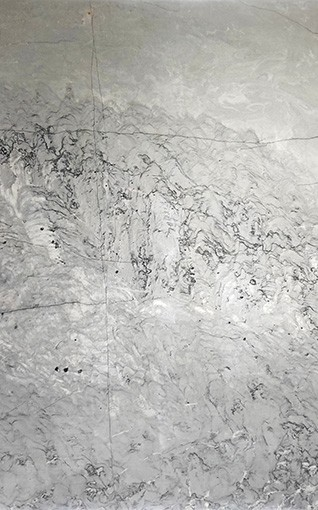
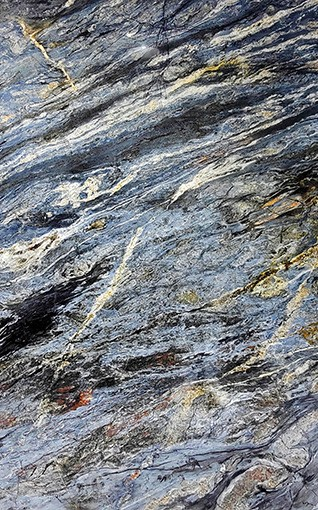
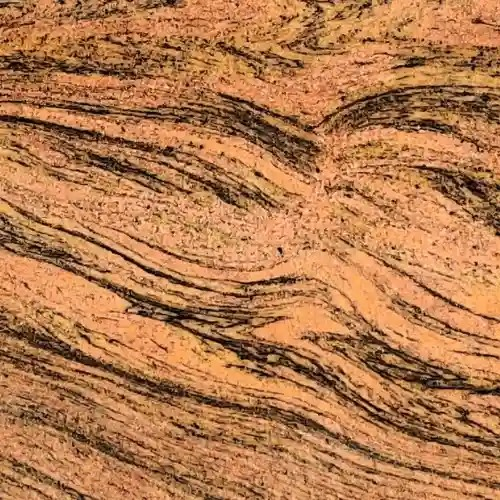
Characteristics of Granite
Strength:Granite is a durable material that resists scratches, heat, stains, and general wear when properly sealed.
Aesthetic Beauty:Beautiful patterns and colors help granite tie together any space with elegance.
Ease of Maintenance:Granite requires little maintenance.Cleaning is simple—just use mild soap and water.
Versatile:Works great in a variety of applications for both interior and exterior use.
Sustainable Product:A natural stone and recyclable material with less impact on the environment.
At Cheap Worktop, we supply both options to choose according to your style, budget and lifestyle requirements.
Uses for Granite
Countertops: Granite is a popular option for both kitchens and bathrooms and is capable of withstanding all the elements of heat and wear and tear. Some of the more popular granite options include Black Galaxy and Steel Grey granite.
Flooring: For interiors, while standing up to high residential foot traffic. The most common stone installation for polished granite are usually granite tiles.
Wall Cladding: Granite can be used for both exterior facades and wall applications on interior spaces, as they bring natural beauty to any space.
Stairs:Granite is a great product for use in residential and commercial buildings where a strong and slip-resistant surface is needed.
Outside Use: Because of its resilient properties against weathering it is used for paving, industries, landscaping, and monuments.
Why Choose Granite
Timeless Elegance: Granite adds a timeless style that makes any property feel more valuable.
Unparalleled Durability: Granite will stand the test of time with phenomenal durability and resistance to wear and tear.
Low Maintenance: Granite needs minimal cleaning and maintenance, making it ideal for everyday use in both family and commercial settings.
Variety Versatility:Granite is available in all design styles and colors with only limited options in patterns, and finishes.
Sustainable Option: Granite is a natural stone.